
Tattoo Fades Quickly: Why It Happens
Why some tattoos fade faster than expected, what influences durability and when a touch-up might be worth discussing.
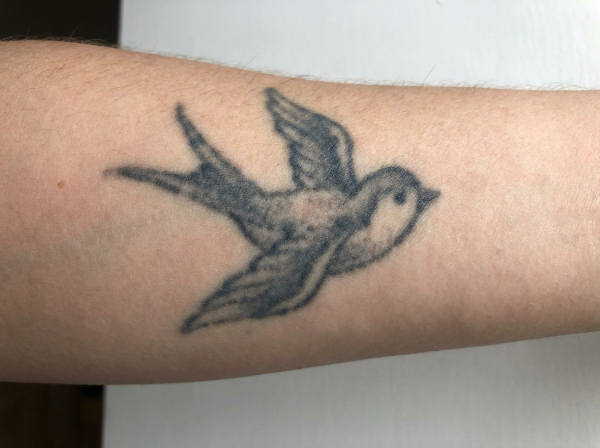
A tattoo that fades quickly can be frustrating because people often blame one cause immediately, even though several factors may be involved at once. Placement, skin type, sun exposure, aftercare and execution all play a role in how strong a tattoo stays.
Why Tattoos Fade Faster Than Expected
Some tattoos lose impact quickly because the placement sees constant friction, the style uses low contrast or the design was simply too fine for the chosen area. In other cases, strong sun exposure or weak aftercare accelerate the fading.
The Most Common Risk Factors
Hands, fingers, feet and other high-use zones often fade faster than protected areas. Add UV exposure, dry healing mistakes or a tattoo that was too delicate from the start, and the result can feel disappointing much sooner than expected.
When a Touch-Up Is Worth Discussing
A touch-up can help if the tattoo has healed fully and the design itself is still strong. But if the root problem is bad placement, too much detail or constant wear, a simple retouch may not solve the long-term issue on its own.
Useful next steps
Tattoo Prices Berlin
Price ranges, cost factors and budget planning for your tattoo idea.
Walk-In Tattoo Berlin
Spontaneous tattoos, suitability and the best way to plan a same-day visit.
Cover-Up Tattoo Berlin
Feasibility, limits and honest guidance for older tattoos.
Tattoo Artists
Find the right artist for style, motif and project scope.
Frequently asked questions
Is quick fading always the artist's fault?
No. Placement, sun exposure, skin behavior and aftercare can all influence how strongly a tattoo holds.
Can a faded tattoo be made stronger again?
Often yes, through a touch-up or redesign, but the right solution depends on why the fading happened.