
Tattoo Colours in Berlin: Meaning, Skin Tone and Durability
Which tattoo colours last well, what suits your skin tone and how colour tattoos change over time. An honest guide for better decisions.
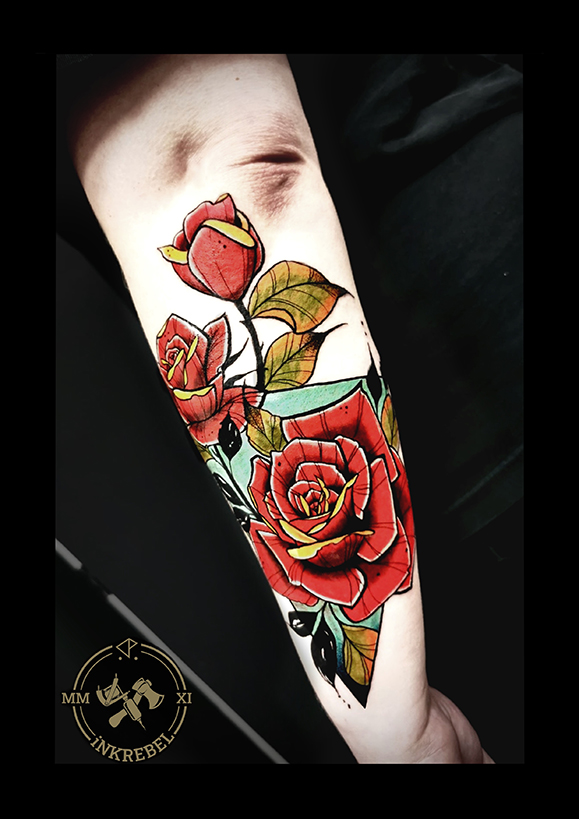
Tattoo colours can look obvious in inspiration pictures, but real skin changes everything. Skin tone, undertone, contrast, body placement and long-term fading all influence whether a colour tattoo will still look strong years later.
Why tattoo colours look different on every person
Tattoo pigments do not sit on white paper. They sit in living skin, and that changes how every colour reads. The same red, green or yellow can feel much brighter on one person and much softer on another.
That is why skin tone, undertone, body placement and available contrast matter so much. A good artist does not choose colours in isolation, but in relation to your actual skin and the way the tattoo should age.
Which colours often stay strongest
Black and other dark anchors usually remain the most stable visual elements in a tattoo. Even in colour work, clean outlines or deeper shadows often keep the design readable much longer.
Richer reds, blues and darker greens often hold visual presence better than extremely pale tones. Very light pastels and fine colour transitions can look beautiful, but they usually need especially thoughtful design and realistic expectations.
Skin tone, undertone and realistic colour planning
There is no rigid chart that assigns the same best colours to every skin tone. What matters is whether the chosen palette creates enough visible contrast and still supports the mood of the design.
On lighter skin, many colours can appear very bright and crisp. On medium, olive or darker skin tones, bolder tones and stronger value separation often work better than subtle shades that may disappear visually much faster.
What affects the durability of colour tattoos
Durability is never about pigment alone. Execution, body placement, sun exposure, aftercare and design structure all matter. A colour tattoo with clear hierarchy and enough breathing room will usually age better than one that is crowded with soft tones and weak separation.
Sun protection matters especially for colour work. If you want the broader aftercare basics first, our English guide on tattoo aftercare is a helpful next step.
When colour is the better choice and when it is not
Colour can be the strongest option when a design lives from mood, depth or a specific visual atmosphere, for example in neo-traditional, illustrative or certain realistic directions. In those cases, colour supports the whole story of the tattoo.
If you want something especially subtle, timeless or reduced, black and grey or fineline may suit the project better. Our pages on Fineline Tattoo Berlin and Tattoo Styles make those differences easier to compare.
Useful next steps
Tattoo Prices Berlin
Price ranges, cost factors and budget planning for your tattoo idea.
Walk-In Tattoo Berlin
Spontaneous tattoos, suitability and the best way to plan a same-day visit.
Cover-Up Tattoo Berlin
Feasibility, limits and honest guidance for older tattoos.
Tattoo Artists
Find the right artist for style, motif and project scope.
Frequently asked questions
Which tattoo colours usually last the longest?
Black and strong dark contrast usually hold up best. With colour tattoos, durability also depends on skin tone, execution, sun exposure and aftercare.
Do colour tattoos look the same on every skin tone?
No. Skin tone and undertone change how bright or muted colours appear. Good planning adjusts the palette to the actual skin instead of relying on generic inspiration images.
Do coloured tattoos fade faster than black tattoos?
Often they can, especially very light or pastel tones. Strong contrast, smart colour choices and good sun protection make a major difference.
Can I tattoo any exact colour I want?
Not always in a way that will stay equally strong on skin. A good consultation helps translate the colour wish into something that still works realistically as a tattoo.